🎩 Monopoly Trade Calculator
Evaluate property trades, calculate color group value, and find fair deals in any Monopoly game
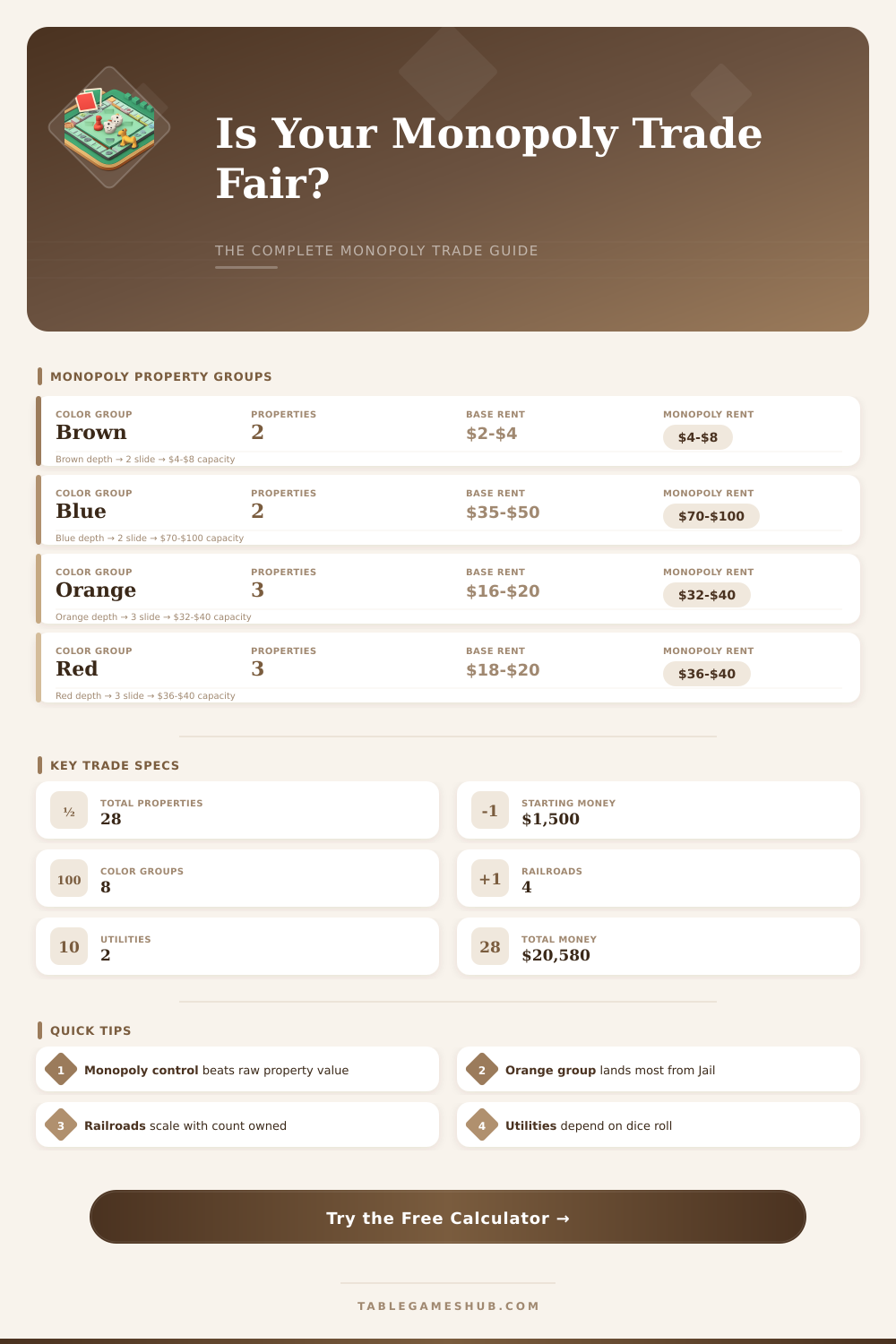
| Color Group | Properties | Purchase Total | Base Rent (set) | Hotel Rent (avg) | ROI Rating |
|---|---|---|---|---|---|
| Brown | 2 | $120 | $4 – $8 | $250 | Low |
| Light Blue | 3 | $330 | $12 – $16 | $550 | Medium |
| Pink | 3 | $570 | $14 – $18 | $750 | Medium |
| Orange | 3 | $660 | $16 – $20 | $950 | Very High |
| Red | 3 | $750 | $18 – $20 | $1,050 | High |
| Yellow | 3 | $870 | $22 – $24 | $1,100 | High |
| Green | 3 | $1,050 | $26 – $28 | $1,275 | Medium |
| Dark Blue | 2 | $750 | $35 – $50 | $2,000 | Very High* |
| Asset | Purchase Price | 1 Owned | 2 Owned | 3 Owned | 4 Owned |
|---|---|---|---|---|---|
| Each Railroad | $200 | $25 rent | $50 rent | $100 rent | $200 rent |
| Each Utility | $150 | 4x dice | 10x dice | — | — |
| Group | House Cost | Hotel Cost | Max Hotel Rent | Break-Even Turns (approx) |
|---|---|---|---|---|
| Brown | $50 | $50+4 houses | $250/$450 | 8–12 |
| Light Blue | $50 | $50+4 houses | $550/$600/$750 | 6–10 |
| Pink | $100 | $100+4 houses | $750/$900/$950 | 7–12 |
| Orange | $100 | $100+4 houses | $950/$1,000/$1,100 | 5–9 |
| Red | $150 | $150+4 houses | $1,050/$1,100/$1,150 | 6–10 |
| Yellow | $150 | $150+4 houses | $1,100/$1,150/$1,200 | 7–12 |
| Green | $200 | $200+4 houses | $1,275/$1,300/$1,400 | 9–14 |
| Dark Blue | $200 | $200+4 houses | $1,500/$2,000 | 4–8 |
| Color Group | Most Visited | Landing Freq. | Strategic Value |
|---|---|---|---|
| Orange | St. James, NY | ~3.1% each | ⭐⭐⭐⭐⭐ |
| Red | Illinois Ave | ~3.0% each | ⭐⭐⭐⭐⭐ |
| Light Blue | Connecticut | ~2.9% each | ⭐⭐⭐⭐ |
| Pink | Virginia Ave | ~2.8% each | ⭐⭐⭐⭐ |
| Yellow | Atlantic Ave | ~2.7% each | ⭐⭐⭐ |
| Green | Pennsylvania | ~2.5% each | ⭐⭐⭐ |
| Dark Blue | Boardwalk | ~2.2% each | ⭐⭐⭐⭐ |
| Brown | Baltic Ave | ~2.0% each | ⭐⭐ |
Business forms a main part of Monopoly and the game itself pushes players to do it. It is made up of deals where one player exchanges something with another. Among the things that one can Trade are properties, money and cards for free exit from prison.
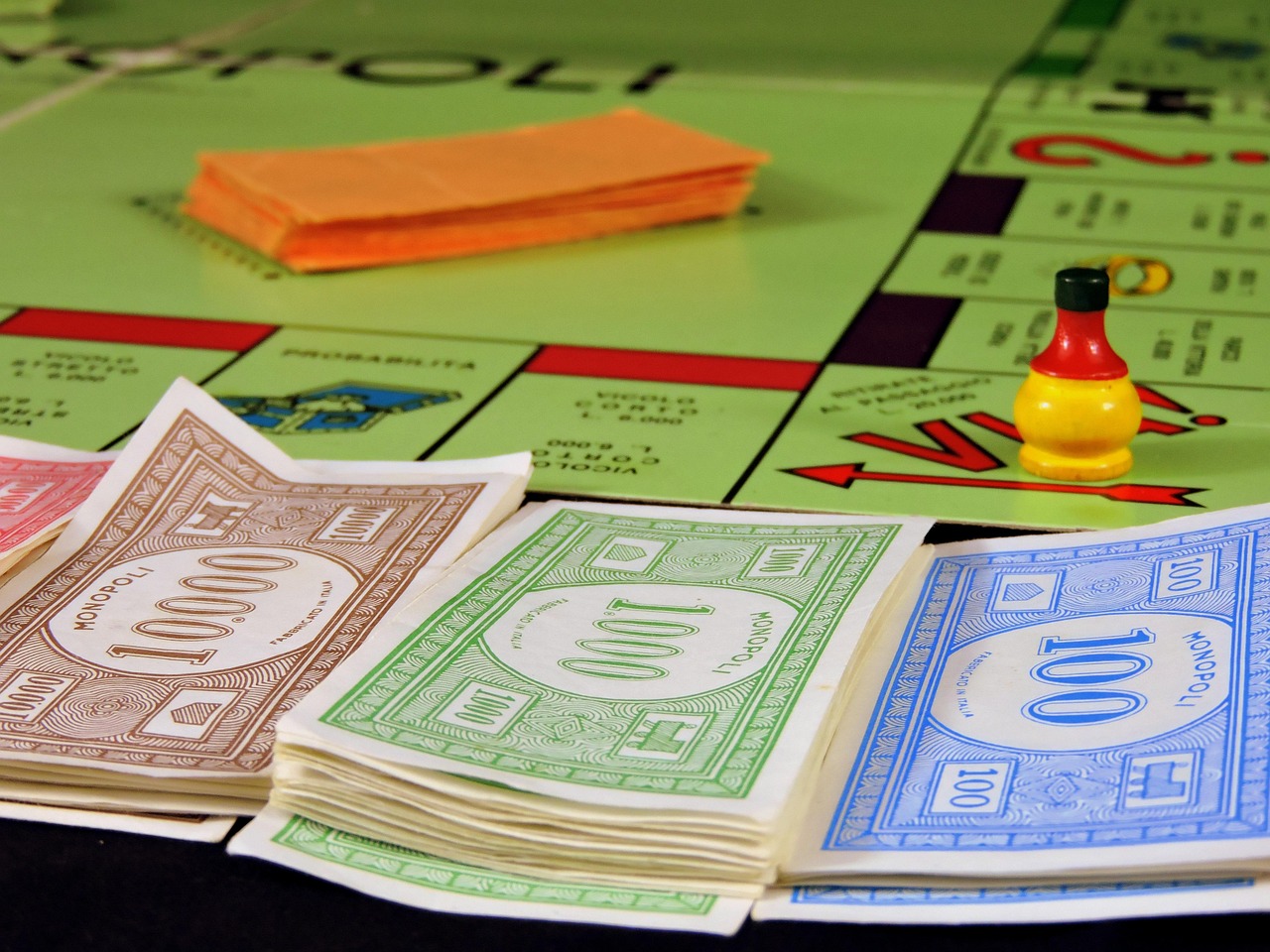
Note such changes are possible during any round, not only when comes the turn of a particular player.
How to Make Good Trades in Monopoly
Almost nothing in the game stays outside business. Not only does one allow it, but itself pushes to it. Without such changes, the games risk becoming very boring.
Players on averege win more than they spend on rents, because the highest of them without a color group or houses cost only fifty dollars, while passing the start one receives two hundred dollars each trip around the board. That ultimately leads to boredom for the most patient players.
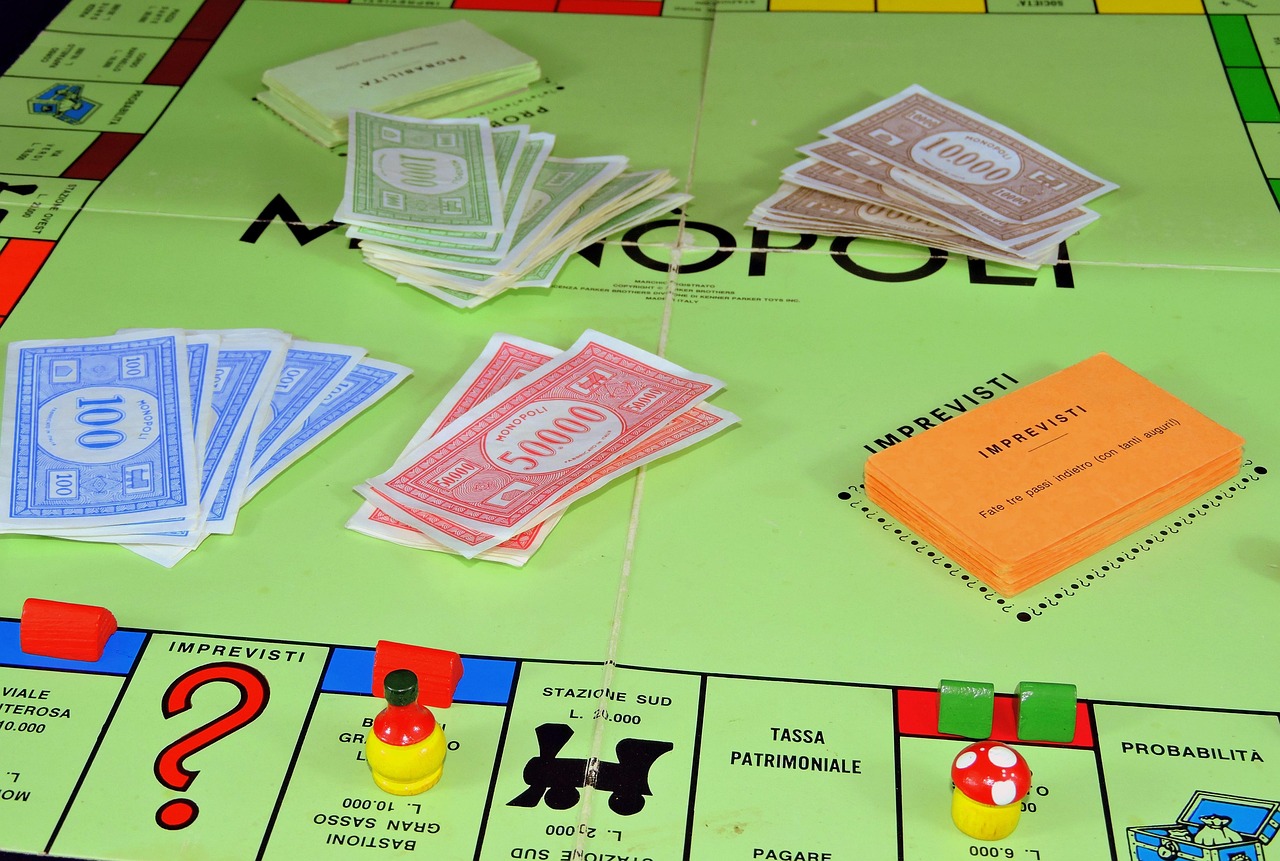
Changes happen even before all properties leave the bank. Some think that one should start business only after sale of every property, but banning early changes simply delays the game even more. As long as both players agree about the deal terms, almost everything counts.
In tournaments or normal plays on the other hand, the rules require that one Trade only physical objects that already exist then, for instance properties, including mortgaged.
What makes good business? Clearly, one benefits if one gets more value than one gives. But it is not always that simple.
Giving a property that will complete a group for an opponent is usually really bad. Light blue, orange and dark blue groups deserve attention. Cheap ones do not help much, unless a player can build on them soon and stay with money four costs.
Always try to complete a color group. Do not waste a chance to Trade for a set that one can build on. Giving red, yellow, green or dark blue properties, well control the money of the other player.
These four groups cost a lot to build on, so trading them with a cash-poor opponent can be a key plan.
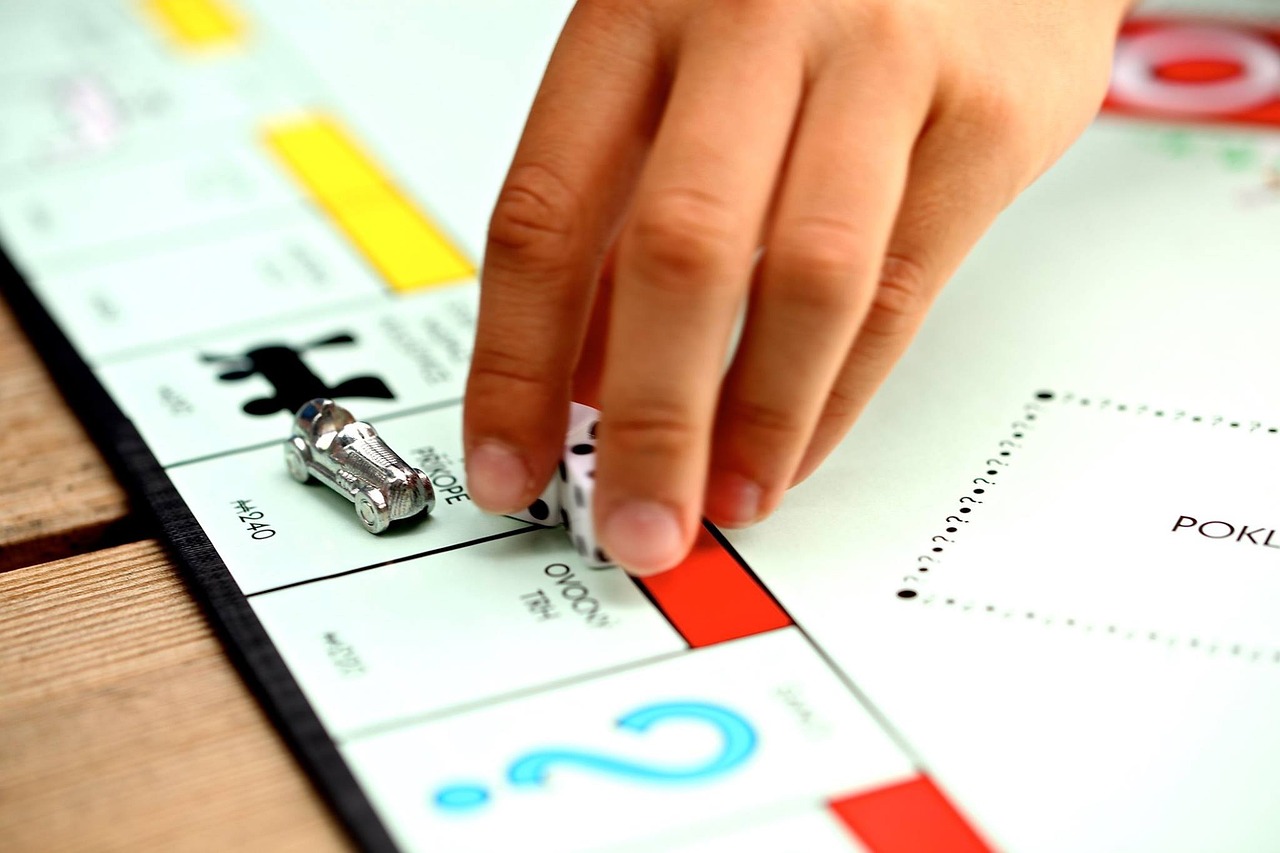
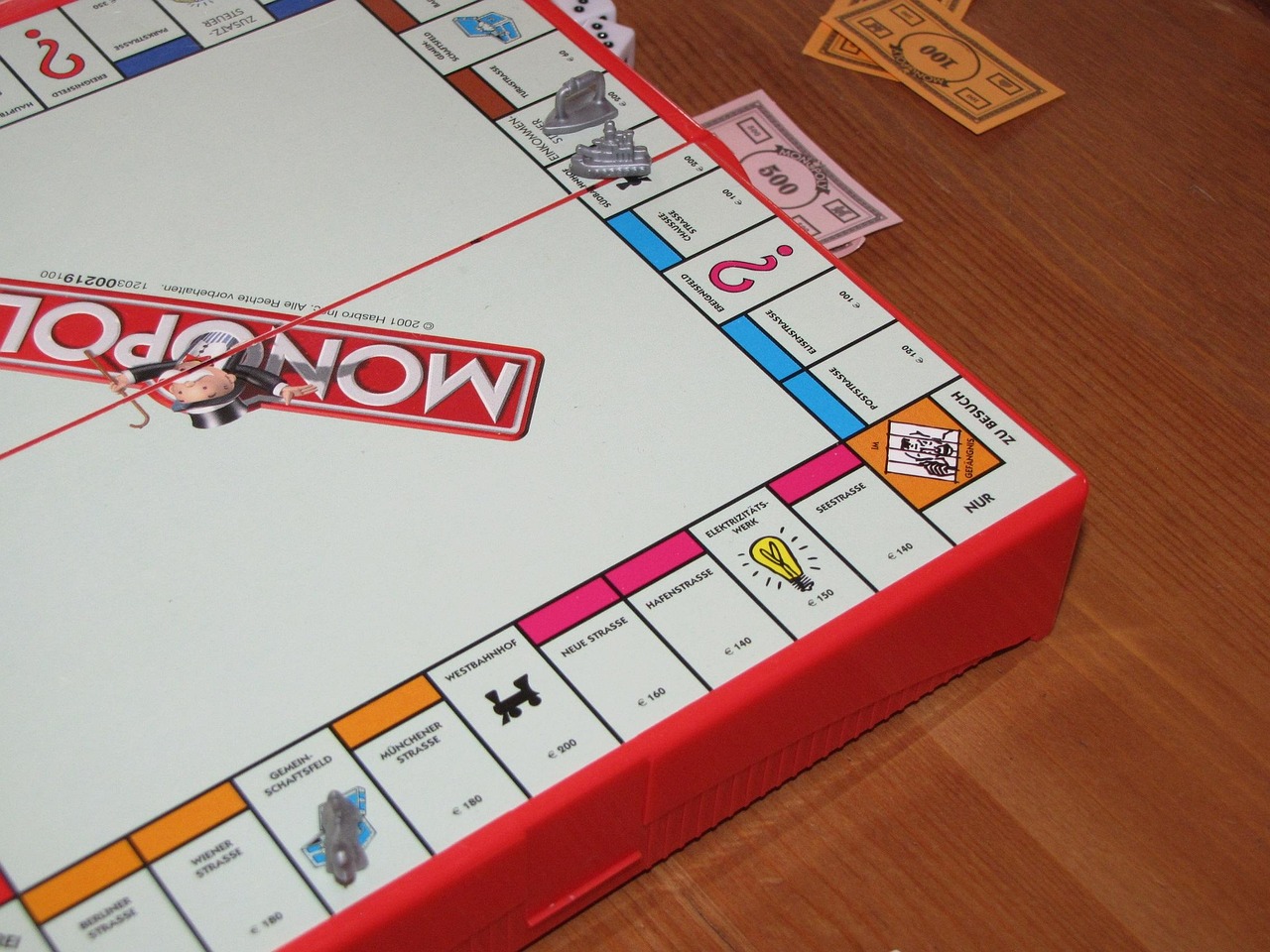
Buy and Trade for Monopoly sets on the first half of the board, so the bottom and left-hand side, forms a solid plan. Trading property for first or second hotel in one step shows strong style. The main target stays to getsets and start building before opponents reach the same.