🎲 Dice Average Calculator
Calculate expected roll values, averages, and probability distributions for any dice combination
| Dice | Min Roll | Max Roll | Average (Expected) | Variance | Std Deviation |
|---|---|---|---|---|---|
| 1d4 | 1 | 4 | 2.50 | 1.25 | 1.12 |
| 1d6 | 1 | 6 | 3.50 | 2.92 | 1.71 |
| 1d8 | 1 | 8 | 4.50 | 5.25 | 2.29 |
| 1d10 | 1 | 10 | 5.50 | 8.25 | 2.87 |
| 1d12 | 1 | 12 | 6.50 | 11.92 | 3.45 |
| 1d20 | 1 | 20 | 10.50 | 33.25 | 5.77 |
| 2d6 | 2 | 12 | 7.00 | 5.83 | 2.42 |
| 3d6 | 3 | 18 | 10.50 | 8.75 | 2.96 |
| 4d6 | 4 | 24 | 14.00 | 11.67 | 3.42 |
| 2d10 | 2 | 20 | 11.00 | 16.50 | 4.06 |
| Sum | Ways to Roll | Probability | Cumulative (at least) | Common Game Use |
|---|---|---|---|---|
| 2 | 1 | 2.78% | 100% | Snake eyes (Craps) |
| 3 | 2 | 5.56% | 97.22% | — |
| 4 | 3 | 8.33% | 91.67% | — |
| 5 | 4 | 11.11% | 83.33% | — |
| 6 | 5 | 13.89% | 72.22% | Catan (most likely) |
| 7 | 6 | 16.67% | 58.33% | Natural (Craps), most likely |
| 8 | 5 | 13.89% | 41.67% | Catan second |
| 9 | 4 | 11.11% | 27.78% | — |
| 10 | 3 | 8.33% | 16.67% | — |
| 11 | 2 | 5.56% | 8.33% | — |
| 12 | 1 | 2.78% | 2.78% | Boxcars (Craps) |
| Game | Dice Used | Average Per Roll | Key Mechanic |
|---|---|---|---|
| Monopoly | 2d6 | 7.0 | Move spaces; doubles = roll again |
| Craps | 2d6 | 7.0 | Natural 7 or 11 wins; 2,3,12 lose |
| Yahtzee | 5d6 | 17.5 | Score combos; up to 3 rolls |
| Catan | 2d6 | 7.0 | 7 = robber; 6 & 8 most likely production |
| D&D 5e Attack | 1d20 + mod | 10.5 + mod | Meet or beat AC to hit |
| D&D Ability Score | 4d6 drop 1 | 12.24 | Sum best 3 of 4d6 |
| Pathfinder | 1d20 + mod | 10.5 + mod | Confirm critical with second d20 |
| Warhammer 40k | Varies (d6 pool) | 3.5 per d6 | Roll vs target; count successes |
| Notation | Min | Max | Average | Typical Use |
|---|---|---|---|---|
| 1d4+1 | 2 | 5 | 3.5 | D&D dagger damage |
| 2d6+3 | 5 | 15 | 10.0 | D&D greatsword damage |
| 1d20+5 | 6 | 25 | 15.5 | D&D mid-level attack |
| 3d6 | 3 | 18 | 10.5 | Classic ability score roll |
| 4d6 drop 1 | 3 | 18 | 12.24 | D&D 5e ability scores |
| 8d6 | 8 | 48 | 28.0 | D&D Fireball spell |
| 10d6 | 10 | 60 | 35.0 | High-level spell damage |
| 1d8+1d6 | 2 | 14 | 8.0 | Mixed damage types |
In table-games help find the centre of rolls for understand the mechanics. The centre of die comes from the amount of every results divided by number of rolls. At normal d4 with even aspects and consecutive numbers the centre matches to the median.
Like this it gives the real centre of possible results. Mathematically d6 have centre 3.5 d8 are 4.5 d10 5.5. That model counts for all dice.
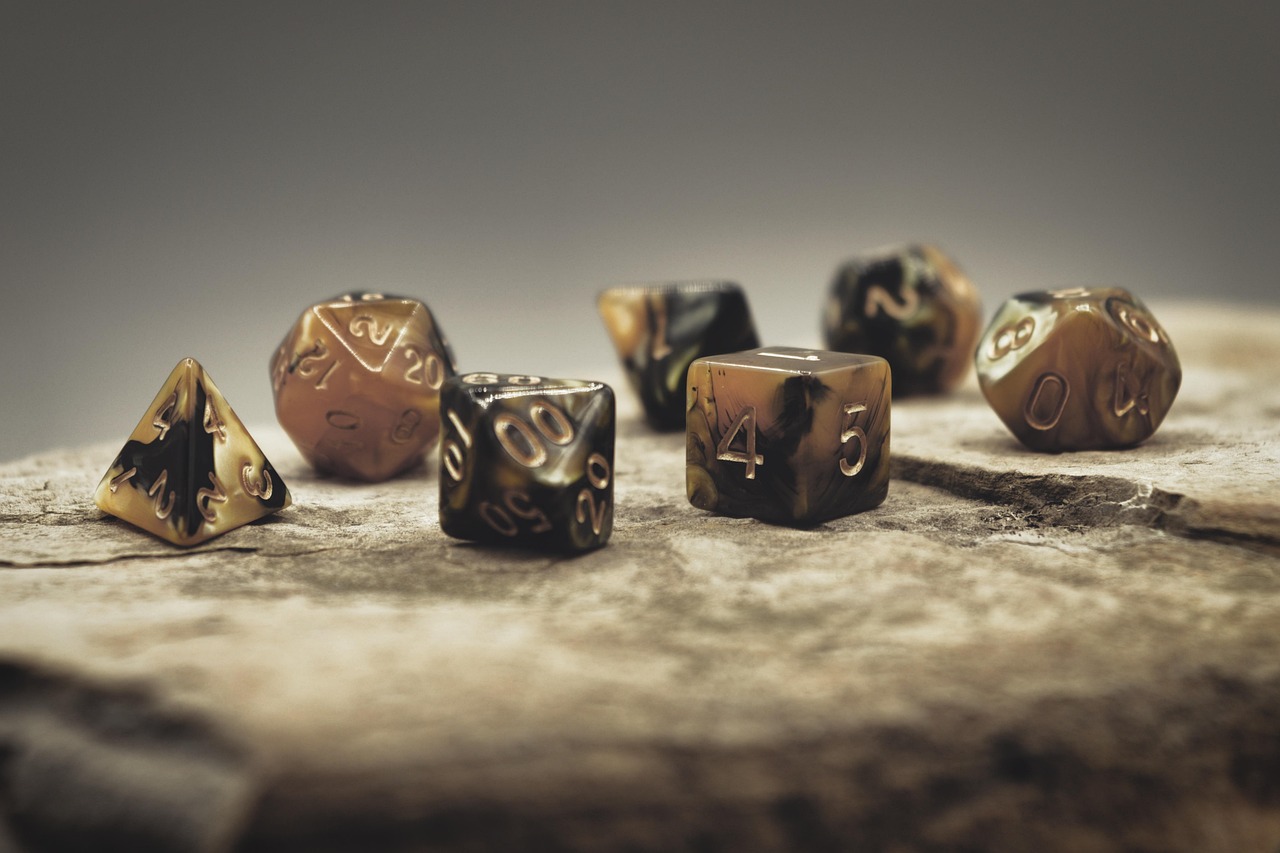
How to find the centre of dice rolls
Count that are easily. For d6 sum all aspects and share by means of their number. At usual cubes with consecutive numbers suffice to add the lowest and highest and double the amount.
Or take the half of maximum and add 0.5. For instance d20 centre is 10.5 because it centers around the perfect median. Every N-sided cube gives (N/2 + 0.5).
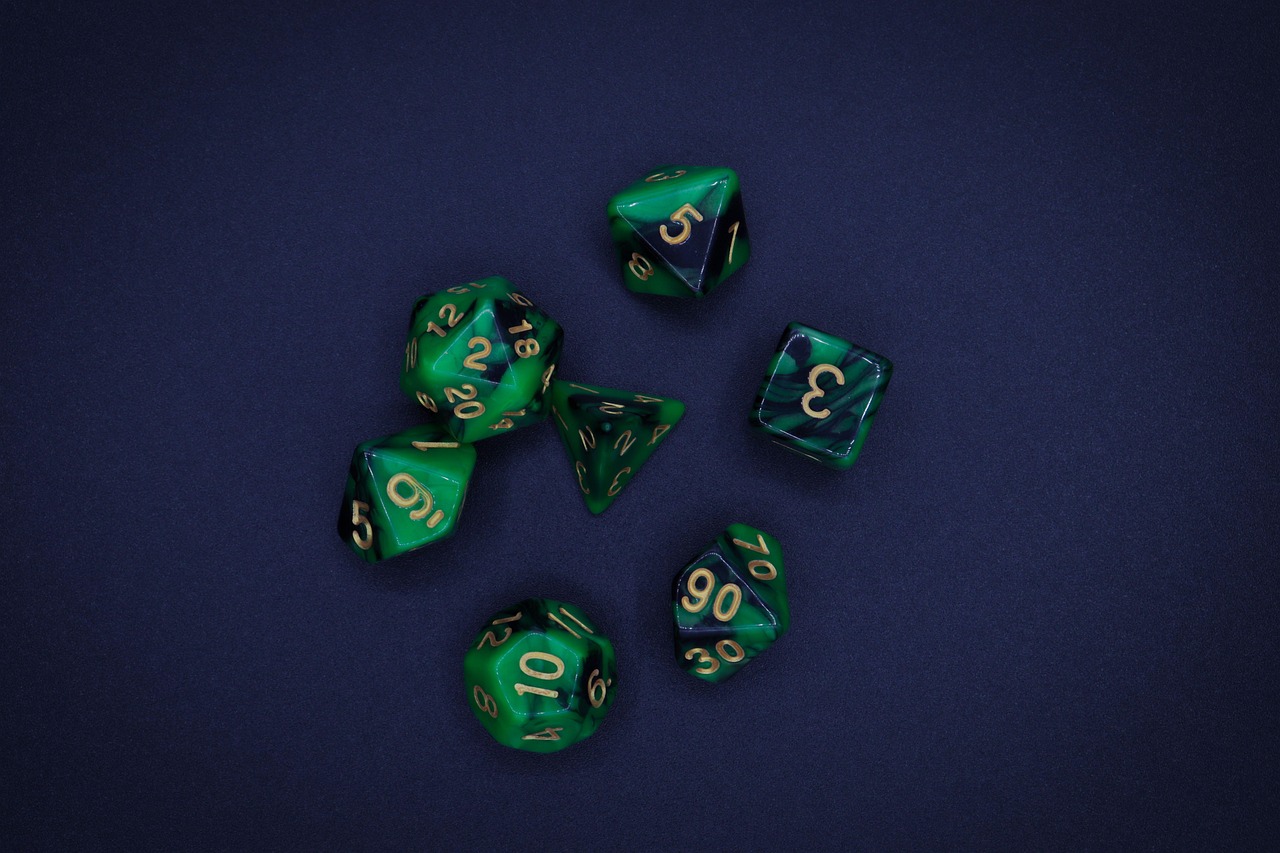
For 3d10 + 6 the centre comes to 24.5.
If game requires several dice sumu the centres of each. For total centre use (S + 1)/2 for every cube and add. At similar S-sided cubes N of them simplifies to N × (S + 1)/2.
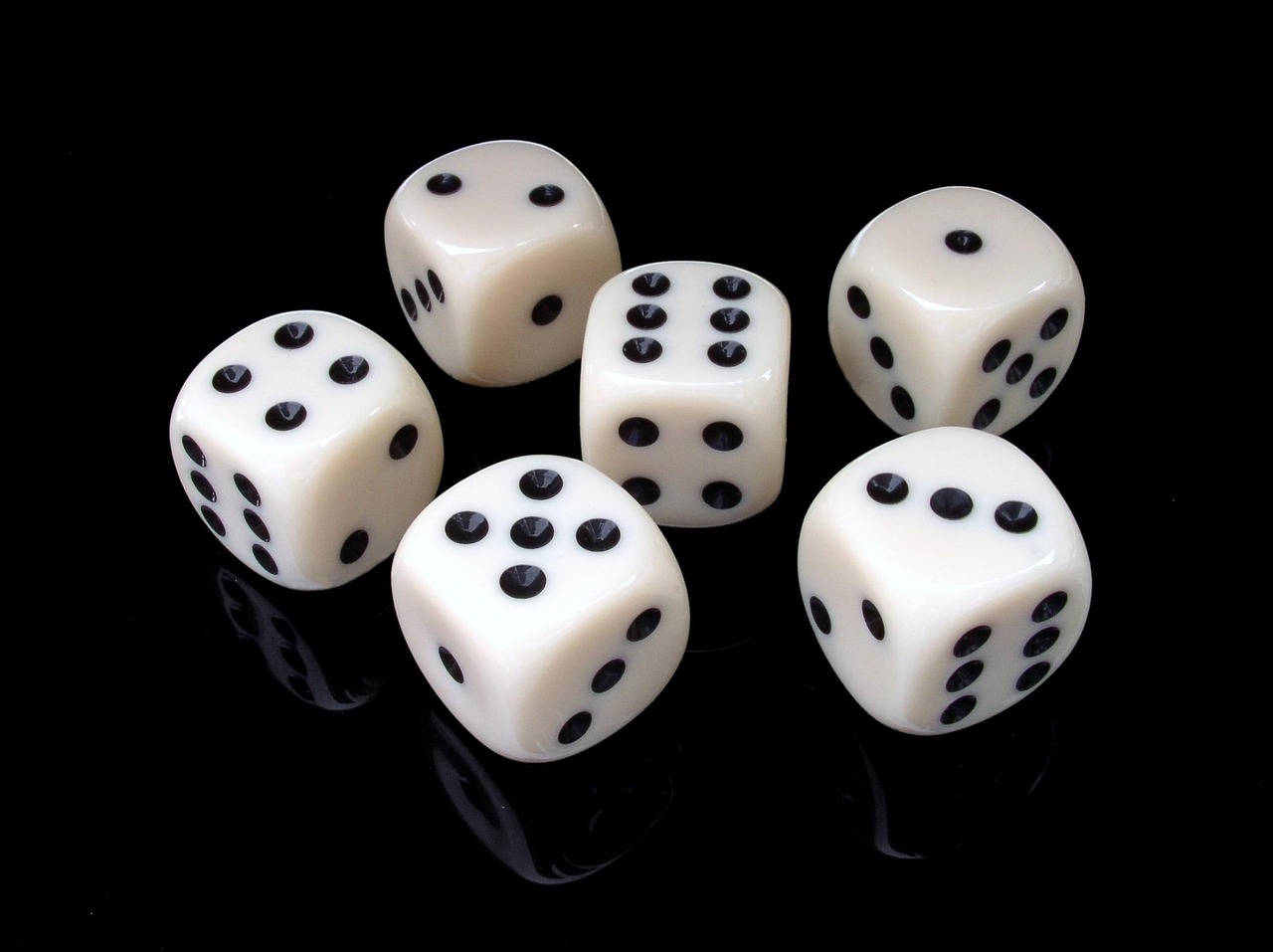
For instance 8d6 for fireball 8 × 3.5 = 28. In fight with 20 d10 each gives 5.5 so whole 20 × 5.5 = 110.
Sophisticated probability-calculators for dice help to analyse chance of set of them. Programs as AnyDice operate on-line and intend role-games. They handle no only simple d20 but also centre of damage against AC of target for particular weapon.
Some shows also the standard deviation of the centre. For instance 3d6 have centre 10.5.